Pluralbildung
Basic plural formation patterns in German
Can form and recognize plural nouns in German
Look at these examples. Can you spot the grammar pattern?
Die Kinder spielen im Park.
The children are playing in the park.
Ich habe zwei Brüder.
I have two brothers.
Die Autos sind teuer.
The cars are expensive.
Pay attention to the highlighted parts. What do they have in common?
Im Deutschen gibt es mehrere Pluralformen — anders als im Englischen gibt es kein einfaches -s für alle Nomen.
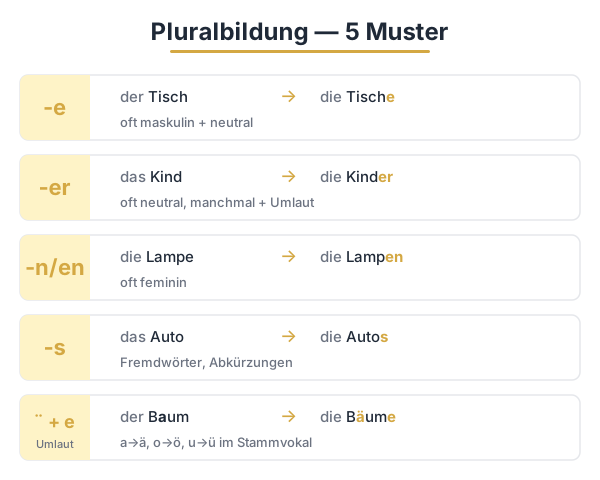
Die fünf Pluraltypen:
| Typ | Endung | Singular → Plural |
|---|---|---|
| 1 | -e | der Tisch → die Tische |
| 2 | -en/-n | die Frau → die Frauen |
| 3 | -er | das Kind → die Kinder |
| 4 | -s | das Auto → die Autos |
| 5 | — (keine) | der Lehrer → die Lehrer |
Umlaut: Viele Pluralformen bekommen zusätzlich einen Umlaut: der Bruder → die Brüder, die Mutter → die Mütter.
Wichtig: Im Plural ist der bestimmte Artikel immer die, egal welches Geschlecht: die Tische, die Kinder, die Frauen.
Common Error Patterns
Wrong grammatical gender assigned to noun
Learn nouns with their articles (der/die/das) from the start
Incorrect plural ending or umlaut
Review the 5 plural patterns: -e, -er, -en, -s, and no change
Wrong case ending on noun or article
Practice case tables and identify subject/object/indirect object in sentences
Die Kinder spielen im Park.
The children are playing in the park.
Kind → Kinder: -er plural pattern, all plurals take die.
Ich habe zwei Brüder.
I have two brothers.
Bruder → Brüder: umlaut change with no ending added.
Die Autos sind teuer.
The cars are expensive.
Auto → Autos: -s plural, common for foreign words.
Prerequisites
Also in Nouns
Practice in course
Apply this grammar in A1 course exercises