Არსებითი სახელებიA1
The Case System (Overview)
Seven cases at a glance; A1 focus: nominative -i, dative -s, genitive -is.
Learning Goal
I can recognize the seven cases and actively use nominative, dative and genitive.
Exam Skills:NAEC Georgian A1: ReadingNAEC Georgian A1: Speaking
Look at these examples. Can you spot the grammar pattern?
წიგნს ვკითხულობ.
I am reading a book.
ეს დედის სახლია.
This is mother's house.
სუპს კოვზით ვჭამ.
I eat the soup with a spoon.
Pay attention to the highlighted parts. What do they have in common?
The Case System (Overview)
Georgian nouns have seven cases, all formed with regular endings - no declension classes, no gender: nominative -ი, ergative -მა, dative -ს, genitive -ის, instrumental -ით, adverbial -ად, vocative -ო.
At A1 you actively need three: nominative (dictionary form: წიგნი), dative for objects (წიგნს ვკითხულობ - I read a book), and genitive for 'of' (დედის სახლი - mother's house). The rest: recognize them, don't stress.
Apply this grammar in A1 course exercises
Practice Exercises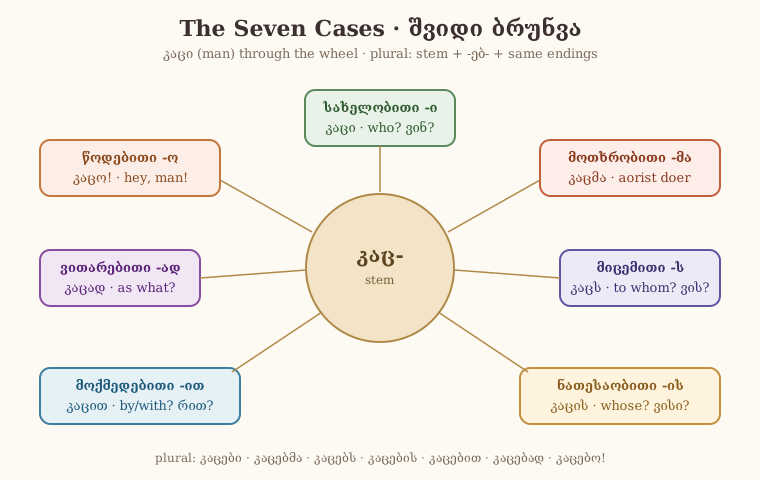
Trying to memorize declension tables per noun class - Georgian has one set of endings for all nouns. Skipping the dative -ს on objects (*წიგნი ვკითხულობ). Worrying about the ergative at A1 - it only matters in the aorist past.
Common Error Patterns
Missing case endings on objects and possessors
Drill -s on objects and -is for possession with daily nouns.
წიგნს ვკითხულობ.
I am reading a book.
წიგნ-ს = book in the dative: the object case in the present.
ეს დედის სახლია.
This is mother's house.
დედ-ის = of mother: genitive -ის expresses possession.
სუპს კოვზით ვჭამ.
I eat the soup with a spoon.
კოვზ-ით = with a spoon: instrumental -ით, like Russian творительный.
Practice in course
Apply this grammar in A1 course exercises