ᲖმნებიA2
Aorist Past: Regular Verbs
The aorist for completed past actions; transitive verbs put their subject in the ergative (-ma).
Learning Goal
I can describe completed past events with regular verbs.
Exam Skills:NAEC Georgian A2: ReadingNAEC Georgian A2: Writing
Look at these examples. Can you spot the grammar pattern?
გუშინ მუზეუმში ვიყავი.
Yesterday I was at the museum.
ნინომ გემრიელი ხაჭაპური გამოაცხო.
Nino baked a delicious khachapuri.
რა გააკეთე შაბათს?
What did you do on Saturday?
Pay attention to the highlighted parts. What do they have in common?
The aorist
The aorist describes completed past actions: გავაკეთე (I did/made), დავწერე (I wrote). Endings: -ე (I/you), -ა (he/she), -ეთ (we/you pl.).
Key rule: with transitive verbs in the aorist, the subject takes the ergative -მა: დათომ წერილი დაწერა (Dato wrote a letter).
Apply this grammar in A2 course exercises
Practice Exercises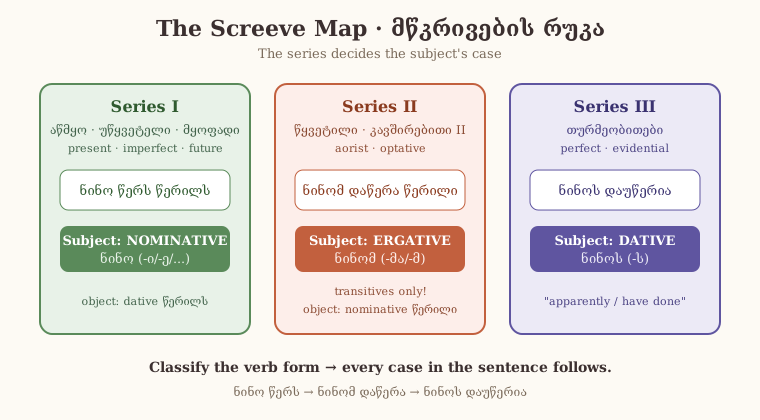
Keeping the subject in the nominative with transitive aorists: *დათო წერილი დაწერა instead of დათომ. RU/UK/CS/DE/EN have no ergative, so this is THE persistent error - drill it early.
Common Error Patterns
Nominative subject with transitive aorist
Transform drills present->aorist that force the subject case switch (დათო წერს -> დათომ დაწერა).
გუშინ მუზეუმში ვიყავი.
Yesterday I was at the museum.
Aorist of 'be' (ვიყავი) - intransitive, subject stays nominative.
ნინომ გემრიელი ხაჭაპური გამოაცხო.
Nino baked a delicious khachapuri.
Transitive aorist: Nino takes ergative -მ (ნინომ).
რა გააკეთე შაბათს?
What did you do on Saturday?
2nd person aorist გააკეთე in a question.
Practice in course
Apply this grammar in A2 course exercises
Frequently asked questions
- When is წყვეტილი (ნამყო) used?
- გარდამავალ ზმნასთან ქვემდებარე მოთხრობითშია : მან/დათომ წერილი დაწერა.
- What are common mistakes with წყვეტილი (ნამყო)?
- Keeping the subject in the nominative with transitive aorists: *დათო წერილი დაწერა instead of დათომ. RU/UK/CS/DE/EN have no ergative, so this is THE persistent error - drill it early.