Არსებითი სახელებიB1
The Ergative in Action: -ma with the Aorist
Producing the ergative: transitive aorist subjects take -ma/-m, objects shift to nominative; intransitives stay nominative.
Learning Goal
I can mark aorist subjects correctly - ergative for transitive, nominative for intransitive verbs.
Exam Skills:NAEC Georgian B1: SpeakingNAEC Georgian B1: Writing
Look at these examples. Can you spot the grammar pattern?
ბებიამ გემრიელი ხაჭაპური გამოაცხო.
Grandma baked a delicious khachapuri.
ვინ თქვა ეს? - დათომ თქვა.
Who said that? - Dato said it.
ბავშვებმა ყველა ნამცხვარი შეჭამეს.
The children ate all the cakes.
Pay attention to the highlighted parts. What do they have in common?
The famous Georgian switch
In the aorist, the subject of a TRANSITIVE verb takes the ergative -მა/-მ, while the object moves to the nominative: ნინო წერს წერილს (present) → ნინომ დაწერა წერილი (aorist). Intransitive subjects keep the nominative: ნინო წავიდა. This case switch happens ONLY in the aorist series.
Apply this grammar in B1 course exercises
Practice Exercises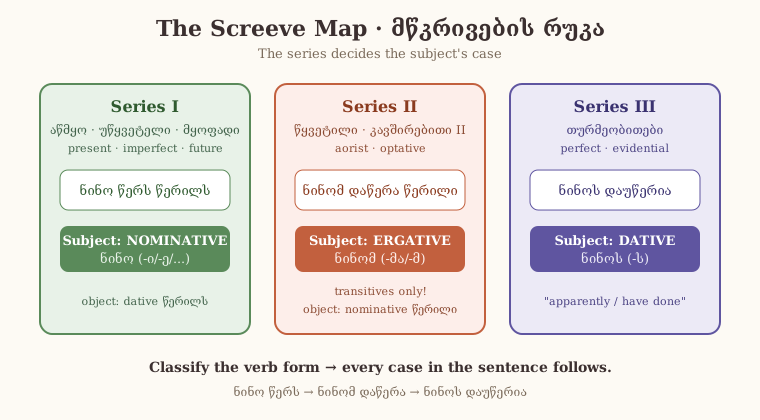
Dropping -ma on the transitive subject (*Nino dats'era), over-marking intransitives (*Ninom ts'avida), and keeping the object in the dative (*ts'erils dats'era).
Common Error Patterns
Missing -ma/-m on transitive aorist subjects or marking intransitive subjects
Transform drills present-to-aorist with subject re-marking; contrast transitive vs motion verbs.
ბებიამ გემრიელი ხაჭაპური გამოაცხო.
Grandma baked a delicious khachapuri.
bebia + -m = bebiam: the ergative subject of a transitive aorist.
ვინ თქვა ეს? - დათომ თქვა.
Who said that? - Dato said it.
Even the question word goes ergative-compatible: vin tkva, and the answer Datom takes -m.
ბავშვებმა ყველა ნამცხვარი შეჭამეს.
The children ate all the cakes.
Plural ergative: bavshvebma; the object namtskhvari stands in plain nominative.
Practice in course
Apply this grammar in B1 course exercises
Frequently asked questions
- When is მოთხრობითი ბრუნვა წყვეტილთან used?
- წყვეტილში გარდამავალი ზმნის სუბიექტი -მა/-მ ნიშანს იღებს, ობიექტი კი სახელობითში გადადის.
- What are common mistakes with მოთხრობითი ბრუნვა წყვეტილთან?
- Dropping -ma on the transitive subject (*Nino dats'era), over-marking intransitives (*Ninom ts'avida), and keeping the object in the dative (*ts'erils dats'era).