ᲖმნებიB1
The Perfect: Have-Done and Apparently-Did
Series III perfect: experiential (odesme ginakhavs?) and evidential (turme) readings, with the dative-subject inversion.
Learning Goal
I can talk about life experience and report things I heard using the perfect.
Exam Skills:NAEC Georgian B1: ListeningNAEC Georgian B1: Reading
Look at these examples. Can you spot the grammar pattern?
სვანეთი ოდესმე გინახავს? - კი, ორჯერ მინახავს.
Have you ever seen Svaneti? - Yes, I have seen it twice.
ნინოს ეს ფილმი უკვე უნახავს.
Nino has apparently already seen this film.
თურმე გიორგის ახალი მანქანა უყიდია!
Apparently Giorgi has bought a new car!
Pay attention to the highlighted parts. What do they have in common?
The third series
The perfect (მინახავს - I have seen, დაუწერია - he has apparently written) does two jobs: experience (Have you ever...? - ოდესმე გინახავს?) and hearsay (თურმე - apparently, it turns out). Its signature quirk: the subject goes DATIVE (ნინოს უნახავს), like the makvs-verbs you already know.
Apply this grammar in B1 course exercises
Practice Exercises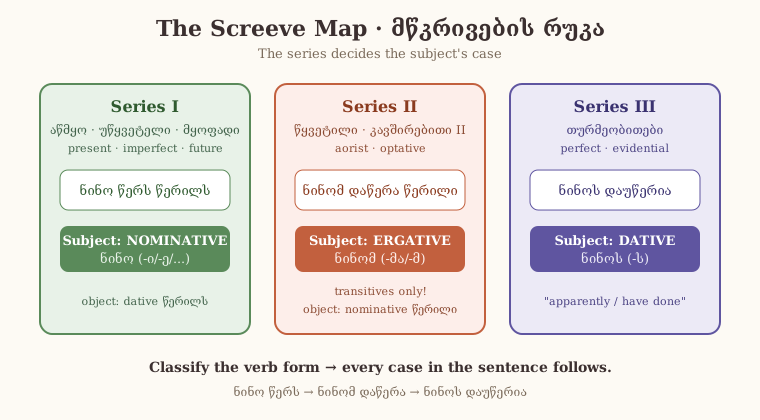
Answering an odesme question with the aorist (*odesme vnakhe) and keeping the subject nominative (*Nino unakhavs instead of Ninos unakhavs).
Common Error Patterns
Using the aorist for hearsay/experience or nominative subjects with the perfect
Witnessed-vs-heard contrast drills: dats'era (I saw it happen) vs dauts'eria (so I hear).
სვანეთი ოდესმე გინახავს? - კი, ორჯერ მინახავს.
Have you ever seen Svaneti? - Yes, I have seen it twice.
The experiential perfect: minakhavs 'I have (at some point) seen' - the odesme question form.
ნინოს ეს ფილმი უკვე უნახავს.
Nino has apparently already seen this film.
Note the inverted construction: the experiencer Nino goes dative (Ninos), the verb agrees inversely.
თურმე გიორგის ახალი მანქანა უყიდია!
Apparently Giorgi has bought a new car!
turme + perfect = hearsay/surprise: you did not witness it, you learned it.
Practice in course
Apply this grammar in B1 course exercises