ᲖმნებიB2
The Screeve Map: Three Series, Three Case Frames
The three-series architecture of Georgian verbs and the case frame each series imposes (NOM/ERG/DAT).
Learning Goal
I can classify any verb form into its series and predict the case frame of the sentence.
Exam Skills:NAEC Georgian B2: ReadingNAEC Georgian B2: Writing
Look at these examples. Can you spot the grammar pattern?
ნინო წერილს წერს - ნინომ წერილი დაწერა - ნინოს წერილი დაუწერია.
Nino writes a letter - Nino wrote a letter - Nino has apparently written a letter.
სერია რომ იცვლება, ბრუნვებიც იცვლება.
When the series changes, the cases change too.
გაკვეთილს ვამთავრებ, გუშინ დავამთავრე და თურმე ადრეც დამიმთავრებია.
I am finishing the lesson, I finished it yesterday, and it turns out I had finished it even earlier.
Pay attention to the highlighted parts. What do they have in common?
The whole verb system on one page
Georgian tense-mood forms (screeves) group into three series, and each series dictates the subject's case: Series I (present, imperfect, future) - nominative; Series II (aorist, optative) - ergative for transitives; Series III (perfects) - dative. Once you classify the form, every case in the sentence follows automatically. This map turns three years of confusion into one look-up.
Apply this grammar in B2 course exercises
Practice Exercises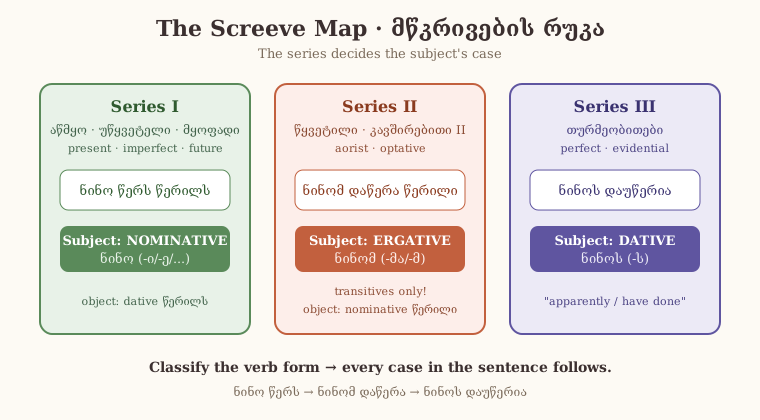
Treating each tense's case pattern as a separate arbitrary rule instead of reading it off the series; ergative leakage into Series I.
Common Error Patterns
Case marking that contradicts the verb's series
Series-spotting drills: classify the verb form, then check every noun's case.
ნინო წერილს წერს - ნინომ წერილი დაწერა - ნინოს წერილი დაუწერია.
Nino writes a letter - Nino wrote a letter - Nino has apparently written a letter.
One sentence through all three series: Nino (NOM) - Ninom (ERG) - Ninos (DAT).
სერია რომ იცვლება, ბრუნვებიც იცვლება.
When the series changes, the cases change too.
The master rule of Georgian morphosyntax in one line.
გაკვეთილს ვამთავრებ, გუშინ დავამთავრე და თურმე ადრეც დამიმთავრებია.
I am finishing the lesson, I finished it yesterday, and it turns out I had finished it even earlier.
Same verb wearing the uniforms of all three series - learn to spot the uniform, not just the verb.
Practice in course
Apply this grammar in B2 course exercises