ᲖმნებიB2
Polypersonal Verbs: Building Who-Does-What-to-Whom
Producing polypersonal verb forms: stacking person prefixes, version vowels, and plural -t to encode two or three participants.
Learning Goal
I can build verb forms that encode subject and object(s) in one word.
Exam Skills:NAEC Georgian B2: SpeakingNAEC Georgian B2: Writing
Look at these examples. Can you spot the grammar pattern?
ხვალ დაგირეკავ და ყველაფერს მოგიყვები.
I'll call you tomorrow and tell you everything.
ეს წიგნი ბებიამ მაჩუქა, მე კი შენ გაჩუქებ.
Grandma gave me this book as a gift, and I will gift it to you.
მასწავლებელი გვეხმარება და ჩვენც ვეხმარებით ერთმანეთს.
The teacher helps us, and we too help each other.
Pay attention to the highlighted parts. What do they have in common?
From reading to building
At A2 you learned to read მ-/გ-/გვ-; at B2 you build with them: დაგირეკავ (I'll call you), მოგცემ (I'll give you), გვეხმარება (he helps us). Slots: person prefix + version vowel + stem + plural -თ. The pronoun usually disappears - the verb already said it.
Apply this grammar in B2 course exercises
Practice Exercises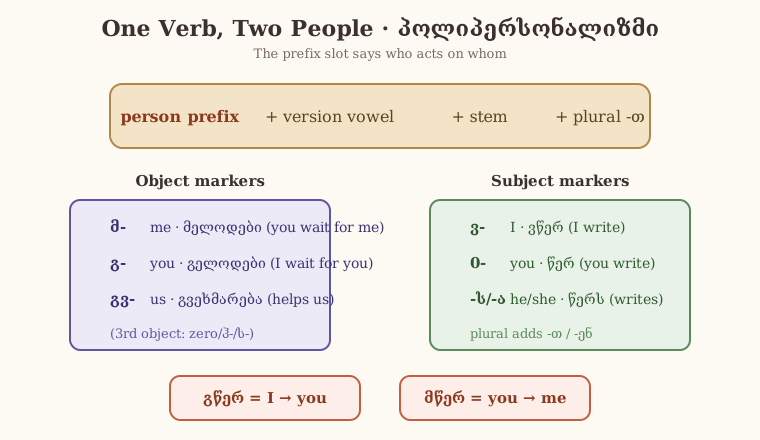
Adding subject v- where an object m-/g- fills the slot (*vgts'er) and doubling participants with pronouns (me shen dagirek'av shen).
Common Error Patterns
Wrong object prefix or redundant pronouns when producing polypersonal forms
Path drills: who-to-whom arrows converted into single verb forms.
ხვალ დაგირეკავ და ყველაფერს მოგიყვები.
I'll call you tomorrow and tell you everything.
da-g-irek'av: preverb + you-object + call - two participants in one word, twice.
ეს წიგნი ბებიამ მაჩუქა, მე კი შენ გაჩუქებ.
Grandma gave me this book as a gift, and I will gift it to you.
m-achuka (she-to-me) vs g-achukeb (I-to-you): the prefix slot flips the gift's path.
მასწავლებელი გვეხმარება და ჩვენც ვეხმარებით ერთმანეთს.
The teacher helps us, and we too help each other.
gv-ekhmareba (he-to-us) and v-ekhmarebit (we-to-them/each other): build, don't just read.
Practice in course
Apply this grammar in B2 course exercises