Uhrzeit
Telling time officially and colloquially
Can ask for and tell the time in German
Look at these examples. Can you spot the grammar pattern?
Es ist halb sechs.
It is 5:30 (half past five).
Der Kurs beginnt um Viertel nach neun.
The course starts at quarter past nine.
Es ist fünf vor zwölf.
It is five to twelve (11:55).
Pay attention to the highlighted parts. What do they have in common?
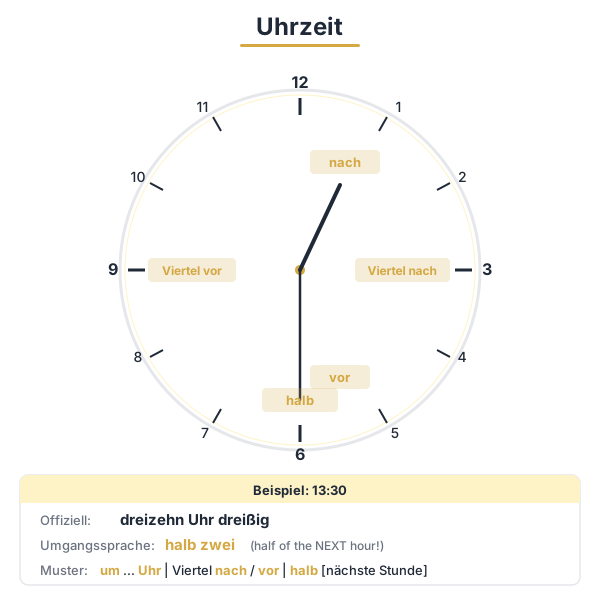
Im Deutschen gibt es zwei Systeme für die Uhrzeit: offiziell (24 Stunden) und umgangssprachlich (12 Stunden).
Offiziell (Fahrpläne, Nachrichten): Es ist vierzehn Uhr dreißig (14:30).
Umgangssprachlich:
| Uhrzeit | Deutsch | Bedeutung |
|---|---|---|
| 2:00 | zwei Uhr | two o'clock |
| 2:15 | Viertel nach zwei | quarter past two |
| 2:30 | halb drei | half past two |
| 2:45 | Viertel vor drei | quarter to three |
Achtung: Halb drei = 2:30 (halb bis drei), nicht 3:30! Das verwechseln viele Lernende.
Fragen: Wie spät ist es? oder Wie viel Uhr ist es?
Common Error Patterns
Confused 'halb drei' as 3:30 instead of 2:30
halb + next hour: halb drei = 2:30, halb elf = 10:30. Think 'halfway TO three'
Wrong use of Viertel vor/nach
Viertel nach = :15, Viertel vor = :45. Viertel nach drei = 3:15, Viertel vor drei = 2:45
Mixed formal (24h) and informal (12h) time formats
Formal: 14:30 Uhr. Informal: halb drei. Don't mix: never say 'halb fünfzehn'
Es ist halb sechs.
It is 5:30 (half past five).
Halb sechs = half (way to) six = 5:30.
Der Kurs beginnt um Viertel nach neun.
The course starts at quarter past nine.
Viertel nach = quarter past. Um is used for specific times.
Es ist fünf vor zwölf.
It is five to twelve (11:55).
Vor = to/before the hour. Also an idiom meaning 'at the last minute.'
Prerequisites
Also in Other
Practice in course
Apply this grammar in A1 course exercises