KhácA1
Uhrzeit
Telling time officially and colloquially
Mục tiêu học tập
Can ask for and tell the time in German
Kỹ năng thi cử:NgheNói
Hãy xem các ví dụ sau. Bạn có nhận ra quy tắc ngữ pháp không?
Es ist halb sechs.
It is 5:30 (half past five).
Der Kurs beginnt um Viertel nach neun.
The course starts at quarter past nine.
Es ist fünf vor zwölf.
It is five to twelve (11:55).
Chú ý các phần được đánh dấu. Chúng có điểm gì chung?
Im Deutschen gibt es zwei Systeme für die Uhrzeit: offiziell (24 Stunden) und umgangssprachlich (12 Stunden).
Offiziell (Fahrpläne, Nachrichten): Es ist vierzehn Uhr dreißig (14:30).
Umgangssprachlich:
| Uhrzeit | Deutsch | Bedeutung |
|---|---|---|
| 2:00 | zwei Uhr | two o'clock |
| 2:15 | Viertel nach zwei | quarter past two |
| 2:30 | halb drei | half past two |
| 2:45 | Viertel vor drei | quarter to three |
Achtung: Halb drei = 2:30 (halb bis drei), nicht 3:30! Das verwechseln viele Lernende.
Fragen: Wie spät ist es? oder Wie viel Uhr ist es?
Áp dụng ngữ pháp này vào các bài tập khóa học A1
Bài tập thực hành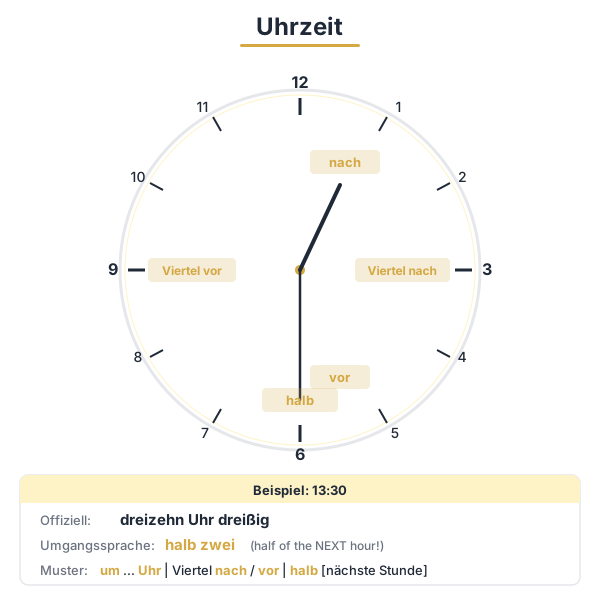
The biggest mistake: halb drei means 2:30, not 3:30. German counts toward the next hour, not backward from the current one.
🇬🇧 English speakers: English speakers interpret 'halb drei' as 3:30 (half past three) instead of 2:30 — English counts from the current hour, German counts toward the next.
Các lỗi thường gặp
Confused 'halb drei' as 3:30 instead of 2:30
halb + next hour: halb drei = 2:30, halb elf = 10:30. Think 'halfway TO three'
Wrong use of Viertel vor/nach
Viertel nach = :15, Viertel vor = :45. Viertel nach drei = 3:15, Viertel vor drei = 2:45
Mixed formal (24h) and informal (12h) time formats
Formal: 14:30 Uhr. Informal: halb drei. Don't mix: never say 'halb fünfzehn'
Es ist halb sechs.
It is 5:30 (half past five).
Halb sechs = half (way to) six = 5:30.
Der Kurs beginnt um Viertel nach neun.
The course starts at quarter past nine.
Viertel nach = quarter past. Um is used for specific times.
Es ist fünf vor zwölf.
It is five to twelve (11:55).
Vor = to/before the hour. Also an idiom meaning 'at the last minute.'
Luyện tập trong khóa học
Áp dụng ngữ pháp này vào các bài tập khóa học A1