ПадежиA2
Падежи во множественном числе
The plural case overview: -ам/-ами/-ах are gender-blind, the genitive plural is the only hard spot
Learning Goal
I can decline nouns in all plural cases using the gender-blind endings.
Exam Skills:ТРКИ-ТБУ лексика-грамматика
Look at these examples. Can you spot the grammar pattern?
Бабушка раздала внукам пирожки с капустой и яблоками.
Grandma handed out pirozhki with cabbage and apples to her grandchildren.
Мы долго говорили о городах, в которых хотели бы жить.
We talked for a long time about the cities we would like to live in.
Pay attention to the highlighted parts. What do they have in common?
Хорошая новость: во множественном числе род почти не важен:
| Падеж | Окончание | Пример |
|---|---|---|
| Дат. | -ам/-ям | домам, книгам, морям |
| Твор. | -ами/-ями | домами, книгами, морями |
| Предл. | -ах/-ях | о домах, о книгах, о морях |
| Вин. | = им. (неодуш.) / = род. (одуш.) | вижу дома × вижу друзей |
| Род. | -ов/-ей/нулевое | домов, ночей, книг |
Запоминалка: дам - дами - дах. Сложен только родительный (отдельная тема).
Apply this grammar in A2 course exercises
Practice Exercises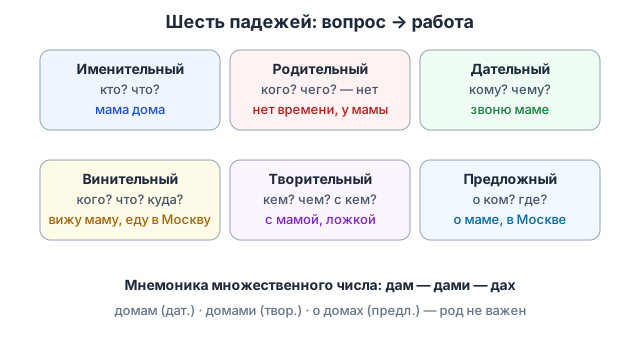
- Gender-specific endings invented: plural dative is always -ам/-ям
- Animate accusative plural: вижу *друзья → друзей
Common Error Patterns
Gender carried into plural obliques
дам-дами-дах: one set for all genders
Бабушка раздала внукам пирожки с капустой и яблоками.
Grandma handed out pirozhki with cabbage and apples to her grandchildren.
внукам (dat.) + яблоками (instr.): plural endings in action.
Мы долго говорили о городах, в которых хотели бы жить.
We talked for a long time about the cities we would like to live in.
о городах: prepositional plural -ах.
Practice in course
Apply this grammar in A2 course exercises
Frequently asked questions
- When is Падежи во множественном числе used?
- Запоминалка: дам - дами - дах . Сложен только родительный (отдельная тема).
- What are common mistakes with Падежи во множественном числе?
- Gender-specific endings invented: plural dative is always -ам/-ям Animate accusative plural: вижу *друзья → друзей