ПредлогиA2
Предлоги двойного управления (Wechselpräpositionen)
Предлоги двойного управления: полный контраст винительного и дательного
Цель обучения
Я умею употреблять все предлоги двойного управления с правильным падежом.
Экзаменационные навыки:ЧтениеПисьмоГоворение
Посмотрите на эти примеры. Можете ли вы заметить грамматическую закономерность?
Das Buch liegt auf dem Tisch.
The book is on the table.
Ich lege das Buch auf den Tisch.
I put the book on the table.
Die Katze sitzt unter dem Stuhl.
The cat sits under the chair.
Er hängt das Bild an die Wand.
He hangs the picture on the wall.
Обратите внимание на выделенные части. Что у них общего?
Девять предлогов управляют двумя падежами: винительным, когда отвечают на «куда?» (Wohin?), и дательным, когда на «где?» (Wo?). Русский различает то же самое - «на стол / на столе», «под стол / под столом», - только для места у нас предложный («в доме», «на столе») или творительный («под столом», «за домом», «между домами»). Логика одна, различаются лишь имена падежей.
| Предлог | Dativ - где? | Akkusativ - куда? |
|---|---|---|
| an | am Tisch | an den Tisch |
| auf | auf dem Tisch | auf den Tisch |
| hinter | hinter dem Haus | hinter das Haus |
| in | im Haus | ins Haus |
| neben | neben der Schule | neben die Schule |
| über | über dem Tisch | über den Tisch |
| unter | unter dem Bett | unter das Bett |
| vor | vor dem Haus | vor das Haus |
| zwischen | zwischen den Häusern | zwischen die Häuser |
Глагольные пары - и здесь русский снова совпадает с немецким до мелочей. Положение (Dativ): stehen, liegen, sitzen, hängen - стоять, лежать, сидеть, висеть. Перемещение (Akkusativ): stellen, legen, setzen, hängen - ставить, класть, сажать, вешать. Немцы, как и мы, различают «книга лежит» и «я кладу книгу», и падеж следует за глаголом.
Одна ловушка: русское «сидеть за столом» - это am Tisch sitzen, а не hinter. Hinter dem Tisch означает буквально позади стола.
Закрепите эту грамматику в упражнениях курса A2
Упражнения для практики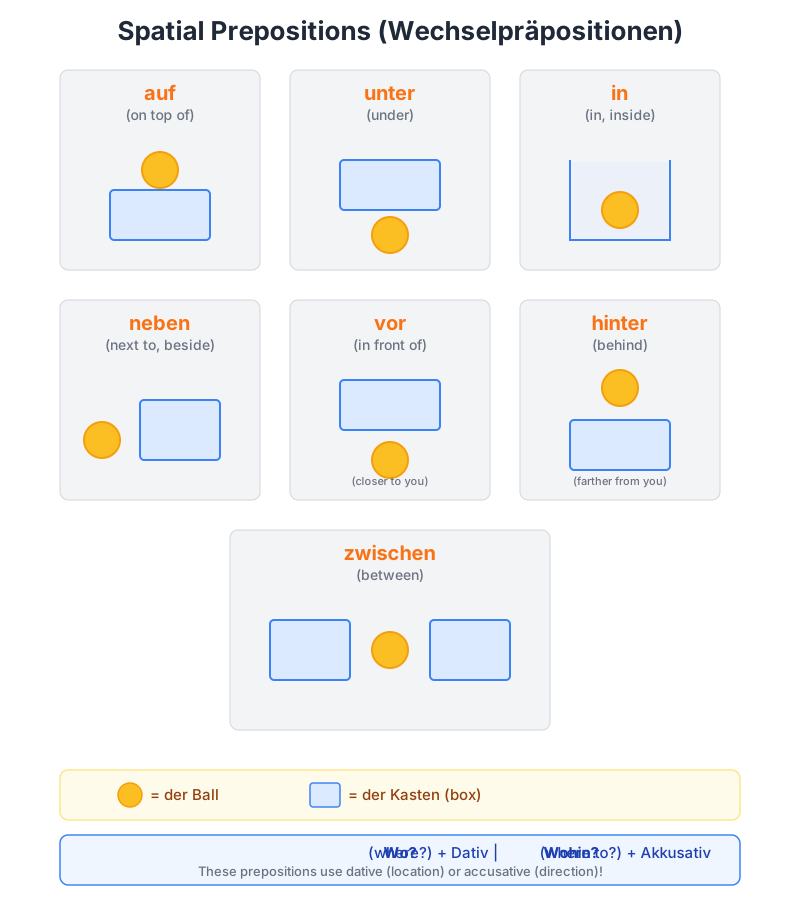
- Dativ при движении: ✗ Ich gehe in dem Park → ✓ Ich gehe in den Park. Спросите «куда?» - значит Akkusativ.
- Akkusativ при положении: ✗ Ich bin in den Park → ✓ Ich bin im Park.
- Hinter вместо an по кальке «за столом»: ✗ Wir sitzen hinter dem Tisch → ✓ Wir sitzen am Tisch.
- Stehen / stellen: stehen = стоять (Dativ), stellen = ставить (Akkusativ) - та же пара, что в русском.
Частые ошибки
Incorrect number word form or usage
Review number patterns and exceptions (eins as standalone vs ein before nouns)
Wrong time expression format
Review formal (14:30 Uhr) vs informal (halb drei) time expressions
Incorrect spelling based on pronunciation rules
Review German spelling conventions: ie=[iː], ei=[aɪ], ß after long vowels, ss after short vowels
Das Buch liegt auf dem Tisch.
The book is on the table.
Wo? → dative: auf dem Tisch.
Ich lege das Buch auf den Tisch.
I put the book on the table.
Wohin? → accusative: auf den Tisch.
Die Katze sitzt unter dem Stuhl.
The cat sits under the chair.
Wo? → dative: unter dem Stuhl.
Er hängt das Bild an die Wand.
He hangs the picture on the wall.
Wohin? → accusative: an die Wand.
Das Bild hängt an der Wand.
The picture hangs on the wall.
Wo? → dative: an der Wand.
Практика в курсе
Закрепите эту грамматику в упражнениях курса A2
Часто задаваемые вопросы
- Когда используется Предлоги двойного управления (Wechselpräpositionen)?
- Девять предлогов управляют двумя падежами : винительным, когда отвечают на «куда?» (Wohin?), и дательным, когда на «где?» (Wo?). Русский различает то же самое - «на стол / на столе», «под стол / под столом», - только для места у нас предложный («в доме», «на столе») или творительный («под столом», «за домом», «между домами»). Логика одна, различаются лишь имена падежей.
- Как образуется Предлоги двойного управления (Wechselpräpositionen)?
- Глагольные пары - и здесь русский снова совпадает с немецким до мелочей. Положение (Dativ): stehen, liegen, sitzen, hängen - стоять, лежать, сидеть, висеть. Перемещение (Akkusativ): stellen, legen, setzen, hängen - ставить, класть, сажать, вешать. Немцы, как и мы, различают «книга лежит » и «я кладу книгу», и падеж следует за глаголом. Одна ловушка: русское «сидеть за столом» - это am Tisch sitzen , а не hinter . Hinter dem Tisch означает буквально позади стола.
- Какие типичные ошибки с Предлоги двойного управления (Wechselpräpositionen)?
- Dativ при движении: ✗ Ich gehe in dem Park → ✓ Ich gehe in den Park . Спросите «куда?» - значит Akkusativ. Akkusativ при положении: ✗ Ich bin in den Park → ✓ Ich bin im Park . Hinter вместо an по кальке «за столом»: ✗ Wir sitzen hinter dem Tisch → ✓ Wir sitzen am Tisch . Stehen / stellen: stehen = стоять (Dativ), stellen = ставить (Akkusativ) - та же пара, что в русском.